Becoming a teacher in Garland is a rewarding path that combines classroom skills, state certification steps, and local knowledge about districts and schools.
Teaching in Garland
Teaching in Garland offers a chance to work in a diverse, growing suburban area within the Dallas‑Fort Worth metroplex, where students come from many backgrounds and schools focus on both academic achievement and community involvement.
The day-to-day experience can vary widely depending on the school, subject, and grade level, but many teachers in Garland appreciate active parent communities, district professional development, and access to regional resources from nearby universities and educational centers.
Class sizes, campus culture, and available supports differ across campuses, so visiting schools and speaking with current teachers will give you the best sense of what each classroom is like.
Who teaches in Garland?
Teachers in Garland include recent college graduates, career changers who completed alternative certification routes, and veteran educators who have advanced degrees or leadership roles.
Specialists such as special education teachers, bilingual educators, and STEM instructors are in high demand in many Garland campuses.
What makes Garland classrooms unique?
Many Garland classrooms reflect cultural diversity, with ESL programs and family‑engagement initiatives that connect classrooms to students' communities.
Campuses may have strong extracurricular programs, and some schools emphasize career and technical education (CTE) pathways that link students to local business and college opportunities.
Steps to Become a Teacher in Garland
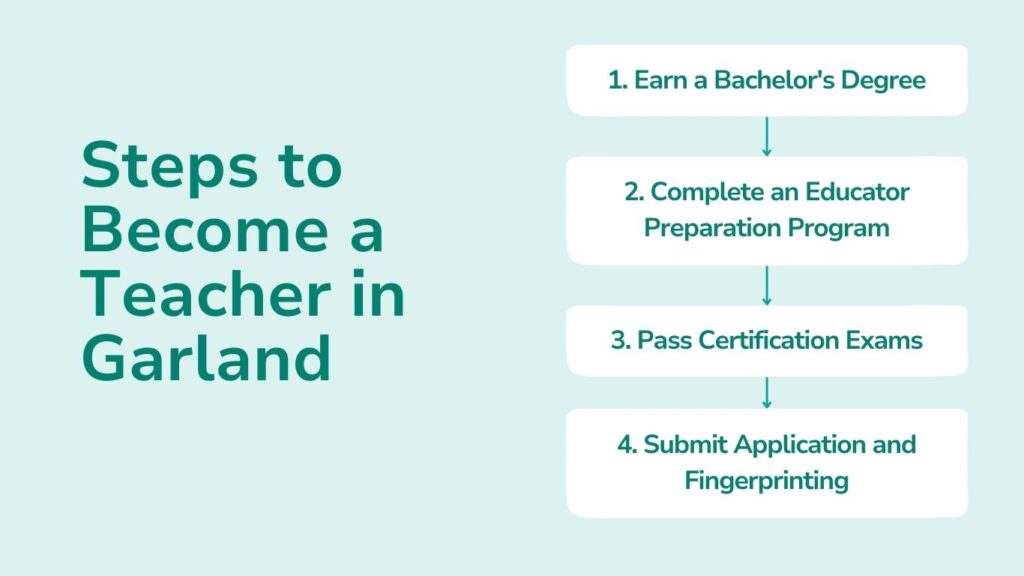
Below are the typical steps you’ll take to become a certified teacher in Texas and begin teaching in Garland.
1. Earn a Bacholor's Degree
A bachelor's degree from an accredited college or university is required to become a certified teacher in Texas.
Your major can be in education or a content area you wish to teach, such as English, math, science, or social studies, though alternative certification allows degree holders in other fields to enter teaching as well.
Many candidates complete required content coursework during their degree; others add post‑baccalaureate coursework if needed.
2. Complete an Educator Preparation Program
After or alongside your degree, you must complete an Educator Preparation Program (EPP) approved by the Texas Education Agency (TEA).
EPPs provide pedagogy coursework, classroom practicum or student teaching, and mentorship to prepare you for certification.
If you're looking for programs in or near Garland, consider these local and regional options:
- University of Texas at Dallas — offers teacher prep and certification pathways for nearby candidates.
- UTDallas Bass School, Teacher Certification — Certification pathways for English, social studies, and history majors.
- University of North Texas — well‑known regional EPP with undergraduate and graduate certification options.
- UNT Teacher Residency Program — Year-long paid, classroom-based experience in partnership with local districts.
- Texas A&M University–Commerce — offers educator preparation routes and is popular in North Texas.
- Dallas Baptist University — smaller private programs with hands‑on student teaching placements.
- Garland ISD Grow Your Own / Residency programs — some districts offer residency or alternate route programs in partnership with higher education institutions to place candidates directly in Garland campuses.
Alternative certification programs, often run by universities or private providers, can be an option for career changers; they combine coursework with an internship or paid classroom role.
3. Pass Certification Exams
Texas requires passing scores on relevant Texas Examinations of Educator Standards (TExES) exams: typically a content exam for your subject and the Pedagogy and Professional Responsibilities (PPR) exam.
Some specializations require additional exams (e.g., ESL, special education, or bilingual endorsements).
Study guides, prep courses, and practice tests are widely available; many candidates schedule the PPR after a few months of practice and content tests once they complete subject coursework.
4. Submit Application and Fingerprinting
Once you've met education and testing requirements, apply for your Texas teaching certificate through the TEA certification portal.
Applicants must complete a fingerprint background check through the Texas Department of Public Safety (DPS) and the FBI as part of certification and district hiring processes.
After clearance and approval, your certificate will be issued and you can be hired into a teaching position in Garland.
Finding A Teaching Job in Garland

Searching for a teaching job in Garland is easier when you know the best places to look and use a few strategies that help your application stand out.
Where to search:
- Garland ISD careers page — the primary source for positions within Garland city limits.
- Neighboring district websites — such as Richardson ISD, Mesquite ISD, Wylie ISD, and Plano ISD for nearby opportunities.
- TeachTexas Job Portal — Statewide listings that include Garland and all nearby districts.
- Statewide job boards — TEA job listings and ESC Region 10 postings.
- Education job sites — Indeed, SchoolSpring, K12JobSpot, and LinkedIn.
Tips to improve your search:
- Network with current Garland teachers and administrators; campus visits and informational interviews can open doors.
- Attend district hiring fairs and substitute orientations—many full‑time hires come from substitute pools or residency programs.
- Tailor your resume and cover letter to the specific campus and student population, highlighting experience with ESL, special needs, or technology integration if relevant.
- Maintain up‑to‑date certification documents, transcripts, test score reports, and references to speed the hiring process.
Applying for hard‑to‑fill roles
For special education, bilingual, and STEM roles, districts may offer signing bonuses or stipends; emphasize subject‑matter expertise and classroom management skills to be competitive for these positions.
Use of substitutes and residencies
Working as a substitute teacher or enrolling in a district residency program can convert into a full‑time hire and provides practical experience in Garland classrooms.
How much do teachers get paid in Garland?
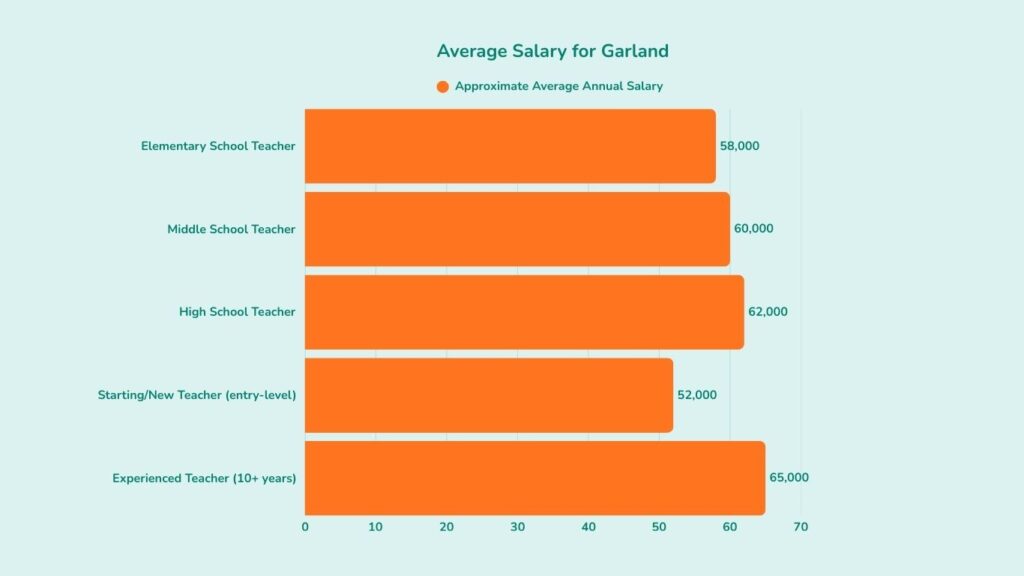
Teacher pay in Garland varies by district, experience, education level, and grade band.
Below is a snapshot of typical pay ranges to help set expectations for candidates considering teaching in Garland.
Average Salary for Garland
Approximate averages (figures rounded and may change by district contracts):
| Position / Grade Band | Estimated Average Annual Salary |
|---|---|
| Elementary Teacher | $52,000 – $58,000 |
| Middle School Teacher | $54,000 – $60,000 |
| High School Teacher | $56,000 – $62,000 |
| Starting Salary (new teachers) | $48,000 – $52,000 |
| Experienced Teacher (10+ years) | $65,000+ |
What Impact Salary?
- Years of experience — most districts use step schedules that increase pay with service years.
- Education level — Master’s degrees or advanced certifications often result in higher pay on the district salary schedule.
- District budget and local tax base — neighboring districts may have different pay tables; large urban districts can offer higher starting pay in some cases.
- Hard‑to‑staff subjects — STEM, bilingual, and special education roles sometimes carry stipends or bonuses.
Top Districts in Garland
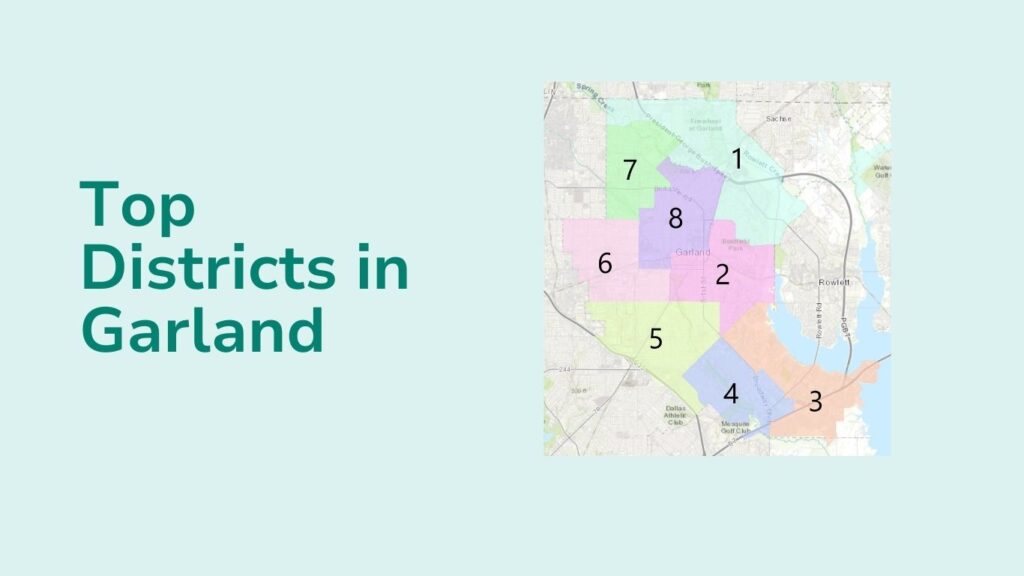
Using Niche.com rankings and local reputation, here are notable districts serving Garland and the surrounding area that candidates commonly consider.
These listings reflect commonly ranked districts; check Niche.com and district pages for the latest rankings, reviews, and school‑level details to find the best fit.
How To Get Started
Ready to begin? Here are three clear next steps to launch your teaching career in Garland.
Make Sure You Meet All The Requirements
Confirm you have a bachelor’s degree, or plan a path to earn one, enroll in an approved EPP, and prepare for TExES exams.
Apply for fingerprinting and gather official transcripts and references that districts will request during hiring.
240 Certification Is Here To Help!
If you already have a Bachelor's degree and are looking to become a teacher in Garland, we can help you get your certification!
Learn more about how 240 Certification can help you get your certification and get into the classroom.
Research Districts You Want To Work in
Visit district career pages, check school report cards, and attend local job fairs or open houses to evaluate campus culture and supports.
Reach out to campus HR or teacher mentors to learn about mentorship, induction programs, and pay schedules.
Start Applying for Jobs
Submit tailored resumes and cover letters that highlight classroom experience, certifications, and any bilingual or special education expertise.
Consider substitute teaching or residency roles to get into classrooms quickly; follow up applications with phone calls or LinkedIn messages to hiring contacts.
Frequently Asked Questions
Here are common questions people ask about becoming a teacher in Garland, with concise answers to guide you.
If you complete an undergraduate education degree, certification is typically achieved at graduation after student teaching, so about four years. Alternative certification routes can take 12–24 months depending on program pacing and exam schedules.
Texas requires Texas certification. Out‑of‑state credentials may be evaluated; many candidates must pass TExES exams and meet TEA requirements. Contact TEA for transcript evaluation and reciprocity details.
Yes. Garland has a diverse student population and regularly recruits bilingual and ESL teachers. Endorsements and certification in bilingual education or ESL increase your chances and often come with higher demand.
Alternative certification programs and district residency options are designed for career changers. You can often start teaching as an intern while completing certification coursework, allowing you to earn while training.
Many Garland and nearby districts provide induction programs, mentors, and professional development for first‑ and second‑year teachers. Ask district HR about new teacher support during the hiring process.