
How Do I Become a Teacher in Texas?

Step 1
Applying
Apply to an alternative certification program and submit what you need — like official transcripts and other requirements — so your application can be reviewed.
Learn more →
Step 2
Your SOE
Your Statement of Eligibility is a key milestone. It’s what makes you eligible to be hired as an intern teacher and move forward into the classroom.
Learn More →
Step 3
Getting Hired
Once you’re eligible, you’ll apply and interview for teaching roles that count for your internship. This is where your certification journey becomes your classroom journey.
Learn more →
Step 4
Why 240 Cert?
Any TEA-approved program can check the boxes. 240 Certification was built to remove confusion, give you clear next steps, and support you with real people — plus built-in test prep to help you stay on track.
Learn More →Texas Certification Terms to Know
You’ve decided you want to teach. That’s huge! You’re stepping into a career where you get to make a real difference, every single day.
To become a teacher in Texas, you need to earn your teacher certification, which is your state teaching license.
Before we dive in, here are a few abbreviations you’ll see a lot in Texas certification.
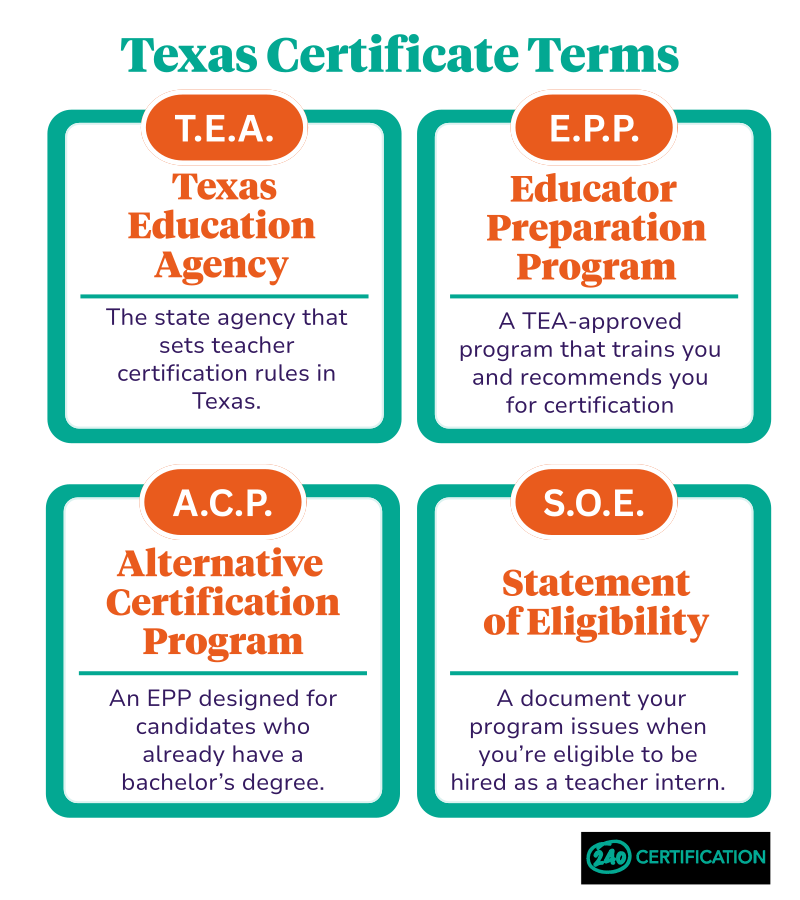
Texas Education Agency (TEA): the state agency that sets the rules for teacher certification in Texas.
Educator Preparation Program (EPP): a TEA-approved program that trains you and can recommend you for certification.
Alternative Certification Program (ACP): a type of EPP designed for people who already have a bachelor’s degree.
Statement of Eligibility (SOE): a document your program issues when you are eligible to be hired for an internship teaching job.
Traditional vs Alternative Certification
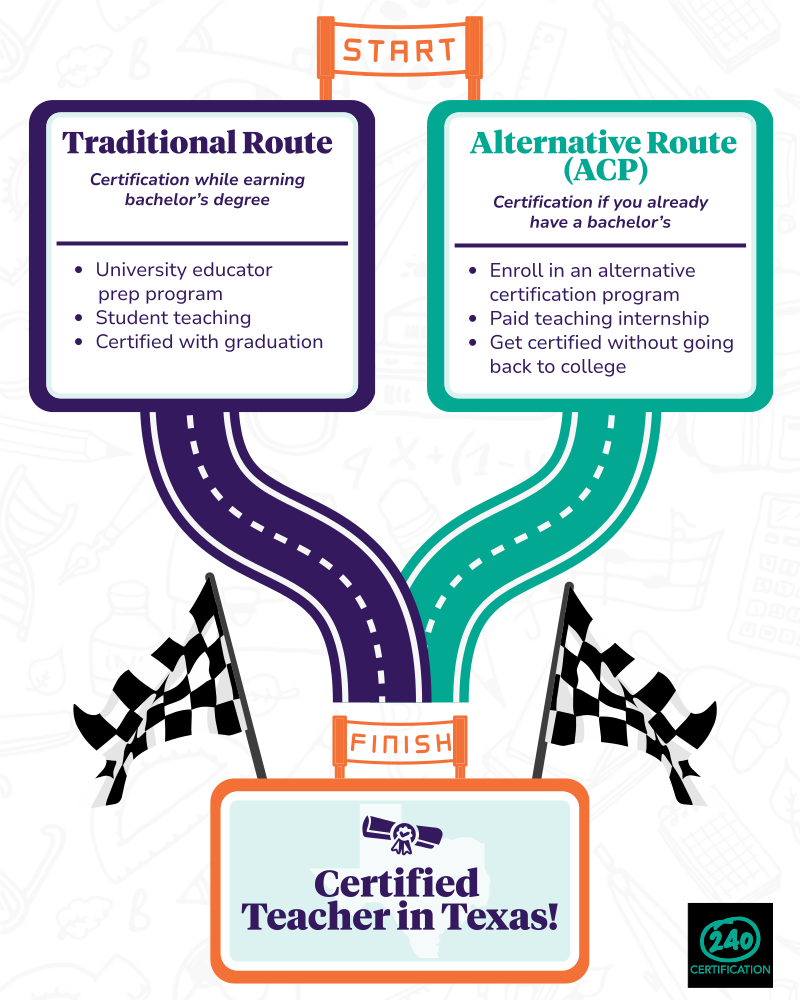
There are two main routes to earn your teacher certification:
1️⃣ Traditional route:
You earn your certification while you’re getting your bachelor’s degree (usually through a university program that includes student teaching).
2️⃣ Alternative route:
You already have a bachelor’s degree, but you didn’t complete a teacher prep program in college. Instead, you enroll in an alternative certification program to earn your certification. Alternative Certification Programs (ACPs) are designed to help you get certified without going back to college, and many candidates can start teaching in a paid role while finishing the remaining requirements.
240 Certification is a TEA-approved ACP, and in this article we’ll walk through what to expect when becoming a teacher through alternative certification.
How Alternative Certification Works in Texas
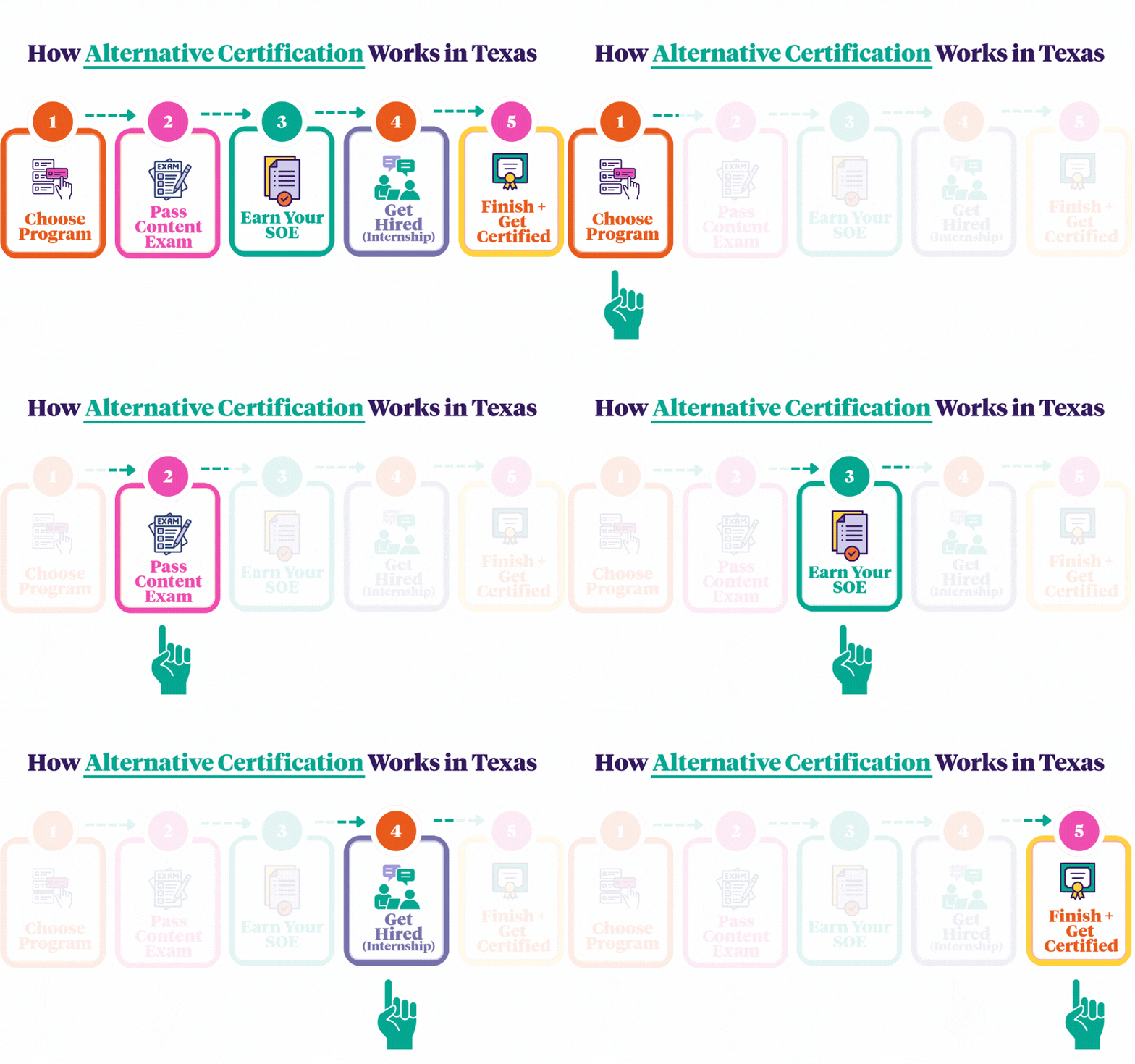
1) Choose a TEA-Approved Alternative Certification Program (ACP)
Your first step is to pick a TEA-approved ACP and apply.
At a minimum, the Texas Education Agency (TEA) requires programs to confirm you have:
- A bachelor’s degree from an accredited college or university. If you’re not sure whether your college is accredited, don’t stress. We break it down in the FAQs below.
- A GPA of at least 2.5 (usually overall or in your last 60 credit hours, with limited exceptions)
While TEA sets the minimum requirements, Alternative Certification Programs (ACPs) can add their own requirements too. So don’t be surprised if one program asks for a little more than another.
Your goal here is simple. Find the program that fits you best, apply, and get enrolled.
2) Pass the TExES Content Exam
Once you’re enrolled, one of your first big milestones is to pass your content exam, also called a TExES exam. This is a test in the subject and grade level you want to teach (like TExES Science 4–8).
Here’s the part that surprises a lot of people: you usually can’t just sign up for the exam whenever you want. Your program has to give you test approval first. That’s because programs are required to make sure you’re prepared before you test.
Once you earn test approval, you’ll schedule your exam and take it.
Wondering what the exams are going to cost you? We break down every fee — program, state, and testing — in our full How Much Does it Cost to Become a Teacher guide.
While you’re working toward your exam, you’ll also start your program coursework. This is required training that helps you build classroom readiness and it counts toward the hours you need for your next step, earning your Statement of Eligibility (SOE).
Passing your content exam is a must. You can’t move into the next steps until you’ve passed.
3) Get Your Statement of Eligibility (SOE)
Next up is your Statement of Eligibility, also called your SOE.
Your SOE is basically the document that tells school districts:
- you’re enrolled in a certification program
- you’ve passed your content exam
- you’re eligible to be hired for an internship teaching position
And just so it’s crystal clear: an internship teaching position in alternative certification is a paid, full-time teaching job. You’re the main teacher in the classroom while you finish your program.
So how do you earn your SOE?
In Texas, your Statement of Eligibility (SOE) is proof from your certification program that you’re ready to start teaching as an intern. TEA’s current readiness standards include:
- Passing your content exam, also called the TExES exam
- Completing 50 hours of observation in real classrooms, with your hours logged the way your program requires
- Finishing 150 hours of coursework, which is your program’s required training and is often completed online
Once you meet those requirements, your program can issue your Statement of Eligibility (SOE).
4) Get Hired for a Paid Teaching Internship
Once you have your Statement of Eligibility (SOE), you’re ready to apply for teaching jobs that count as your teaching internship.
One important note: your teaching assignment has to match the subject and grade level of the content exam you passed. For example, if you passed the TExES Social Studies 7-12, you’ll apply for 7th–12th grade social studies positions.
When you’re hired, you’ll be the teacher of record, meaning you’re the main teacher responsible for that classroom. Yes, you’re officially the teacher.
You’ll also have support:
- Your school assigns you a mentor teacher on campus
- Your ACP provides a Field Supervisor that supports during your internship year
Already hired? You can read more about what to expect if you’re already hired before you start the certification process in our Getting Hired section.
5) Apply for Your Standard Texas Teaching Certificate
Once you’re hired, you’re in the final stretch.
First, you’ll apply online for a one-year intern or probationary certificate. This is the temporary teaching certificate that legally allows you to work as the teacher of record while you complete your teaching internship. Think of it like your driver’s permit as you’re learning how to drive. It’s not the final drivers license but it’s legally required so you can practice.
This step also includes fingerprinting, a background check, and state fees for processing your certificate application. These are required for everyone before you can begin your internship.
While you’re teaching, you’ll finish any remaining program requirements, like coursework or training. When everything is complete (internship, coursework, and required exams), you’ll apply for your standard certificate. Once your program recommends you and TEA approves it, you’re officially certified and your certificate is posted in the state system.
Frequently Asked Questions
How long does alternative certification take in Texas?
For most candidates, the full journey from enrollment to a standard Texas certificate takes around 12–18 months. It varies based on how quickly you complete early milestones (coursework, testing, observations) and when you’re able to land a teaching job for your internship year.
Here’s a general timeline on how long it takes to get certified:
- Enroll & Initial Training (Weeks to Months)
- Get Hired (1-3 Months)
- Complete Remaining Program Requirements (Next 9-12 Months)
When do I start getting paid as a teacher in Texas?
Some candidates are able to get hired and start earning a teacher salary within a few weeks to a few months, but it depends on two things: how quickly you earn your Statement of Eligibility (SOE) and what hiring season looks like when you apply.
You won’t be paid during the initial online training portion. Paid teaching typically begins once:
- you’ve earned your SOE, and
- you’ve been hired for an internship teaching position.
Once you’re hired, you’ll be paid by the district (salary and benefits vary by district and role) while you finish the rest of the process during your internship year.
How do I become a teacher in Texas without a traditional education degree?
In Texas, you can become a certified teacher through an alternative certification program (ACP). You apply to a TEA-approved program, pass your TExES content exam, earn your Statement of Eligibility (SOE), get hired as an intern teacher, and complete your internship year to earn your standard certificate.
What is a Statement of Eligibility (SOE) in Texas?
A Statement of Eligibility (SOE) is a document issued by your alternative certification program that confirms you’ve met the requirements to be hired as an intern teacher in Texas. It’s a key milestone — you can’t be hired as a paid intern teacher without it.
What is the TExES exam and when do I take it?
The TExES (Texas Examinations of Educator Standards) is the state content exam you must pass to move forward in the Texas certification process. You typically take it after enrolling in an alternative certification program. Passing it is required to earn your SOE.
How long does it take to become a certified teacher in Texas?
The timeline varies, but most alternative certification candidates can complete the process in about one to two years. This includes applying to a program, passing your TExES exam, earning your SOE, completing an internship year in a classroom, and receiving your standard teaching certificate.
Do I need a college degree to become a teacher in Texas?
Yes. Texas requires teacher candidates to hold at least a bachelor’s degree from an accredited institution to be eligible for certification, whether through a traditional or alternative certification program.
How do I check if my college is accredited?
If you’re not sure if your college is accredited, you can look your school up in the U.S. Department of Education’s school database and check that it lists an accrediting agency. Then, check TEA’s list of accepted accreditors to make sure that agency is listed.