
Becoming a teacher in San Antonio, Texas is a rewarding journey that opens the door to shaping young minds and contributing to the community. Whether you’re passionate about early childhood education or eager to inspire high school students, San Antonio offers a vibrant environment for educators. This guide will walk you through everything you need to know to start your teaching career in this dynamic city.
Teaching in San Antonio

Teaching in San Antonio means joining a diverse and culturally rich community. The city’s schools reflect a wide range of backgrounds, which makes the classroom experience both exciting and meaningful. Educators here have the opportunity to engage with students from various cultures and socioeconomic backgrounds, fostering an inclusive learning environment.
San Antonio’s education system is supported by dedicated school districts and community organizations that prioritize student success and teacher development. Teachers often find strong support networks and professional development opportunities that help them grow in their careers.
Working as a teacher in San Antonio also means enjoying the city’s unique blend of history, culture, and modern amenities. From vibrant festivals to beautiful parks, the city offers a great quality of life outside the classroom.
What Makes Teaching in San Antonio Unique?
- Large and culturally diverse student population offering meaningful learning experiences
- Strong community pride and active partnerships with local organizations
- Access to innovative teaching tools, bilingual education programs, and modern facilities
- Excellent opportunities for professional growth, mentorship, and leadership development
Community and Support
Teachers in San Antonio benefit from strong community involvement. Parents, local businesses, and nonprofits frequently collaborate with schools to enhance educational programs. This community support creates a positive atmosphere for both students and educators.
Steps to Become a Teacher in San Antonio
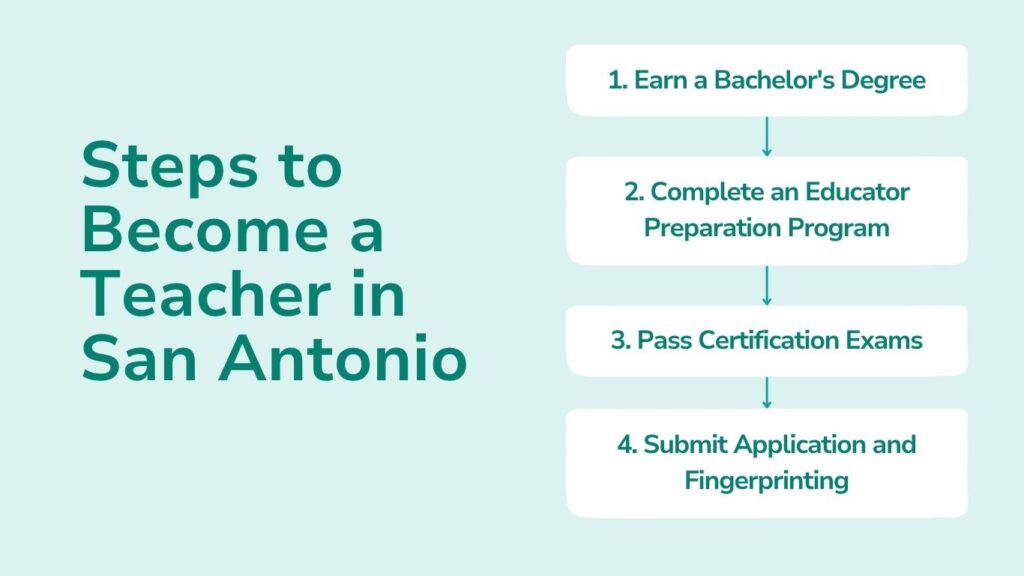
Starting your teaching career in San Antonio involves a clear set of steps designed to ensure you are well-prepared and qualified.
Here’s a detailed breakdown of the process:
1. Earn a Bachelor's Degree
The first step is to obtain a bachelor’s degree from an accredited college or university. While many aspiring teachers choose to major in education, it’s also possible to pursue a degree in a specific subject area and then complete teacher certification requirements.
Make sure your degree program includes coursework that meets Texas education standards, especially if you plan to teach core subjects like math, science, or English.
2. Complete an Educator Preparation Program
After earning your degree, you’ll need to complete an Educator Preparation Program (EPP). These programs provide the practical training and classroom experience necessary to become an effective teacher.
In San Antonio, several institutions offer EPPs, including:
- University of Texas at San Antonio (UTSA) – Offers comprehensive teacher certification programs with a focus on local community needs.
- Texas A&M University-San Antonio – Provides educator preparation with opportunities for hands-on classroom experience.
- St. Mary’s University – Known for its strong education department and partnerships with local schools.
These programs typically include student teaching internships, where you gain real-world experience under the supervision of experienced educators.
3. Pass Certification Exams
To become certified in Texas, you must pass the Texas Examinations of Educator Standards (TExES). These exams assess your knowledge of teaching methods and your subject area expertise.
There are different exams depending on the grade level and subject you plan to teach. Preparing thoroughly for these tests is crucial, and many candidates find study guides and prep courses helpful.
4. Submit Application and Fingerprinting
Once you’ve completed your education and passed the required exams, you’ll submit your application for certification through the Texas Education Agency (TEA). This process includes submitting fingerprints for a background check to ensure the safety of students.
After approval, you’ll receive your teaching certificate, allowing you to apply for teaching positions in San Antonio and throughout Texas.
Finding A Teaching Job in San Antonio

Landing your first teaching job in San Antonio can be an exciting but challenging process. Knowing where to look and how to approach your job search can make all the difference.
Where to Search for Teaching Jobs
Some of the best places to find teaching jobs in San Antonio include:
- San Antonio Independent School District (SAISD) Careers Page: The largest district in the city regularly posts openings for various teaching positions.
- Northside Independent School District (NISD) Job Board: One of the top districts in the area, NISD offers a wide range of teaching opportunities.
- Texas Education Agency (TEA) Job Portal: A statewide resource listing teaching jobs across Texas, including San Antonio.
- Education-specific job boards: Websites like TeachTexas.org and Indeed often feature local teaching vacancies.
Tips and Tricks for Your Job Search
To improve your chances of finding the right teaching job, consider these strategies:
- Network with local educators: Attend job fairs, workshops, and community events to meet hiring managers and fellow teachers.
- Tailor your resume and cover letter: Highlight your certifications, relevant experience, and passion for teaching in San Antonio’s diverse community.
- Prepare for interviews: Practice answering common questions and be ready to discuss how you would handle classroom challenges.
- Consider substitute teaching: This can be a great way to gain experience and get your foot in the door.
How much do teachers get paid in San Antonio?
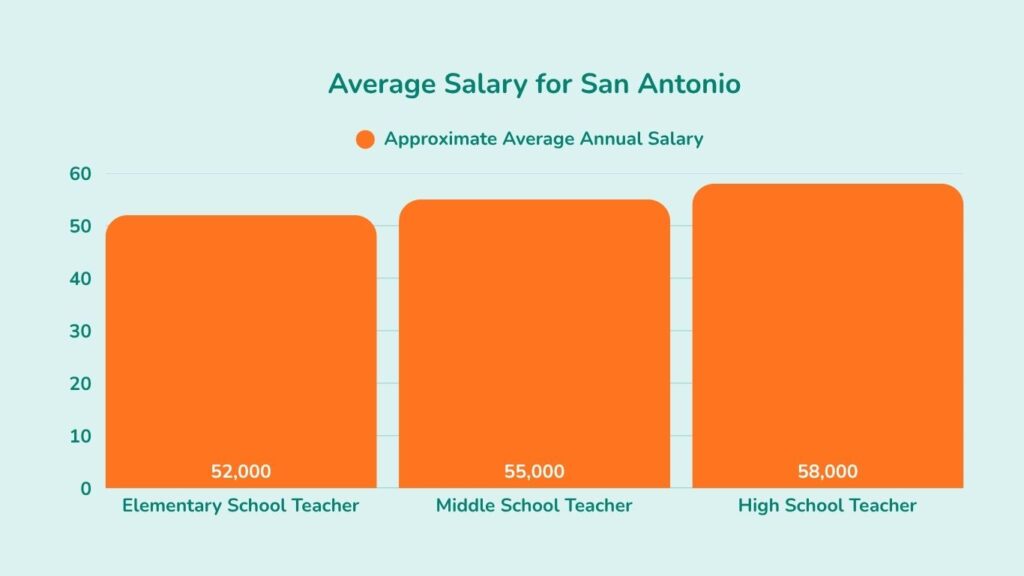
Teacher salaries in San Antonio vary depending on several factors, including grade level, education, experience, and the school district. Understanding the pay scale can help you plan your career and financial future.
Average Salary for San Antonio
On average, teachers in San Antonio earn approximately $55,000 per year. However, this figure can fluctuate based on the following:
- Grade Level: Elementary school teachers typically earn slightly less than middle and high school teachers.
- Education Level: Teachers with advanced degrees or additional certifications often receive higher pay.
- District: Some districts offer higher salaries or additional stipends based on funding and location.
- Experience: Veteran teachers with many years in the classroom generally earn more than those just starting out.
| Grade Level | Average Salary |
| Elementary School Teacher | $52,000 |
| Middle School Teacher | $55,000 |
| High School Teacher | $58,000 |
What Impact Salary?
Location within San Antonio can also impact salary, with some suburban districts offering higher pay to attract qualified teachers. Additionally, teachers who take on extra responsibilities, such as coaching or leading extracurricular activities, may receive additional compensation.
Top Districts in San Antonio
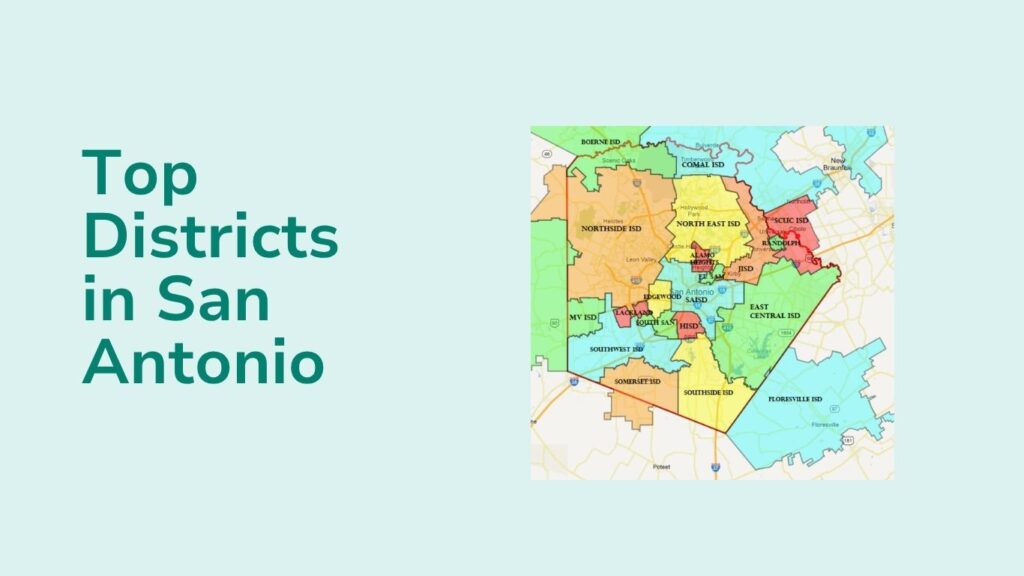
San Antonio is home to several highly regarded school districts, each offering unique opportunities for teachers. According to Niche.com, here are the top 10 school districts in San Antonio based on academics, teacher quality, and community feedback:
Each district has its own culture, salary scales, and student demographics, so it’s important to research which one aligns best with your teaching style and career goals.
How To Get Started

Ready to begin your teaching career in San Antonio? Here are some practical steps to help you get moving in the right direction.
Make Sure You Meet All The Requirements
Before applying for jobs, double-check that you have completed all necessary steps, including your bachelor’s degree, educator preparation program, certification exams, and fingerprinting. Having your certification in hand will make your job search smoother.
240 Certification Is Here To Help!
If you already have a Bachelor's degree and are looking to become a teacher in Fort Worth, we can help you get your certification!
Learn more about how 240 Certification can help you get your certification and get into the classroom.
Research Districts You Want To Work in
Spend time learning about the different school districts in San Antonio. Consider factors like salary, school culture, location, and student population. Visiting district websites and attending local education events can provide valuable insights.
Start Applying for Jobs
Once you’re ready, begin submitting applications to districts and schools that interest you. Tailor your resume and cover letter for each position, and prepare for interviews by practicing your responses and gathering references.
Remember, persistence is key. The right opportunity may take some time to find, but with dedication, you’ll soon be on your way to a fulfilling teaching career in San Antonio.
Frequently Asked Questions
You need at least a bachelor’s degree from an accredited institution. Many teachers earn degrees in education, but you can also major in a subject area and complete a teacher certification program.
Typically, it takes about four years to earn a bachelor’s degree plus additional time to complete an educator preparation program and pass certification exams. The entire process can take around 4 to 5 years.
Yes, Texas offers alternative certification programs for individuals who already have a bachelor’s degree in another field. These programs allow you to teach while completing certification requirements.
While not required, being bilingual, especially in English and Spanish, is highly beneficial in San Antonio due to the large Spanish-speaking population. It can open up more job opportunities and help you connect with students.
You can find job openings on district websites like SAISD and NISD, the Texas Education Agency job portal, and education job boards such as TeachTexas.org and Indeed. Networking and attending job fairs can also help.